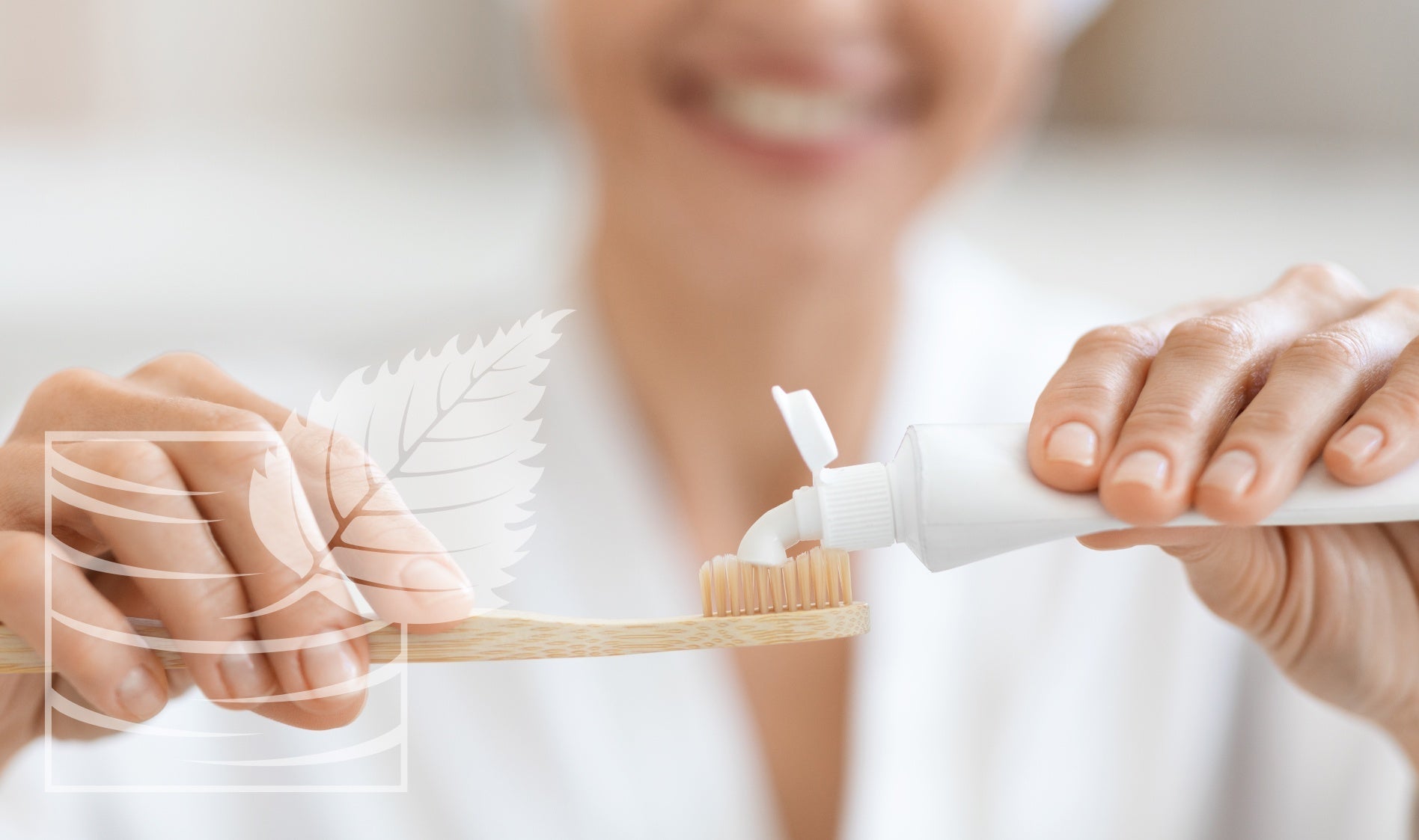
4 Toothpaste Ingredients That Can Seriously Irritate Sensitive Mouths
For people with sensitive mouths, common toothpastes can trigger a bad reaction. If you experience oral irritation after brushing your teeth, it’s a sign that you may need a new toothpaste.
Some toothpaste ingredients are harsher than others. Their chemical formulas might not work well with your body chemistry, so you need a gentler option to keep your teeth and gums clean.
Learn which ingredients to avoid and which are ideal for nontoxic oral care.
1. Sodium Lauryl Sulfate
Sodium lauryl sulfate (SLS) is a very common irritant in personal care products. It’s a foaming agent, which means it helps the toothpaste foam up and spread over your teeth as you brush.
Using toothpastes with SLS is linked to unpleasant symptoms like dry mouth, canker sores, and general irritation.
Many consumers choose SLS-free oral care to avoid these problems. You can still get a good cleanse without sacrificing comfort.
If you suspect SLS is an irritant for you, look for SLS-free or sulfate-free on toothpaste labels.
2. Artificial Flavors & Sweeteners
You’re probably familiar with the overly sweet and minty flavors in popular toothpastes. The artificial flavors and sweeteners that companies use for flavoring can spell trouble for sensitive mouths.
If a toothpaste’s ingredient list isn’t clean and free from harsh chemicals, it doesn’t matter how good it tastes. Harsh flavorings and sweeteners can irritate sensitive or dry mouths and make brushing a dreadful experience.
Look for toothpastes without artificial/natural flavors in the ingredients list. You’ll want to avoid menthol as well, as it can cause a burning sensation while brushing.
3. Harsh Whitening Agents
Aggressive whitening ingredients can cause severe sensitivity in your teeth and gums. There are two major categories of whitening agents in toothpaste. They are bleaching agents and abrasive materials.
Bleaching agents like hydrogen peroxide penetrate your enamel to lift stains and whiten the surface. The problem is that this stain-lifting action leaves your enamel vulnerable to sensitivity and discoloration.
Abrasive ingredients like charcoal are also bad news. They scratch and degrade your enamel over time and cause worsening sensitivity. In severe cases, abrasive toothpastes can lead to cavities and enamel loss. You might notice immediate whitening effects, but they come at the cost of your oral health.
Whitening toothpastes can also irritate your gums, which are made of soft tissue. Your gums are more vulnerable to irritation because of this, so even if your teeth feel fine, it’s best to avoid harsh whitening ingredients.
4. Alcohol-Based Ingredients
Toothpaste ingredients that are derived from alcohol are extremely drying and irritating, particularly for those with sensitive mouths already. Alcohol-based toothpastes can worsen dry mouth symptoms and disrupt your oral microbiome.
In your mouth, there are millions of bacteria that work to keep your teeth and gums healthy and clean. These “good bacteria” are important for keeping “bad bacteria” at bay. When this delicate balance is disrupted, the bad bacteria take over and cause problems.
Bacterial imbalances in your mouth can cause bad breath, raise your risk of developing cavities, and dry out soft tissues.
Avoid toothpastes with ingredients like ethanol, sorbitol, benzyl alcohol, and sugar alcohols (a more general term).
What to Look For Instead
Instead of subjecting your teeth and gums to harsh chemicals and abrasive ingredients every day, you can switch to biocompatible oral care. Non-toxic ingredients like hydroxyapatite and natural extracts clean your teeth without negative side effects.
Hydroxyapatite is an important ingredient to look for. It helps remineralize your teeth, which strengthens your enamel against cavities and stains. It’s often part of gentle toothpaste formulations.
SLS-free formulas are also a good idea if you have sensitive teeth and gums. Look for more biocompatible cleaning agents and soothing ingredients, like full-spectrum hemp extract and Manuka honey.
Natural, clean ingredients are much gentler, but still pack a powerful punch for your oral health. They also taste great!
Why BirchTree Focuses on Gentle Oral Care
At BirchTree Hemp, we take a holistic and non-toxic approach to oral care. Our toothpaste formulas support your oral microbiome and protect the sensitive tissues in your mouth. We accomplish all of this using natural, clean ingredients.
FAQs
What does SLS-free mean in toothpaste?
SLS-free means the formula is free from sodium lauryl sulfate, a common foaming agent in commercial toothpastes.
What is biocompatible oral care?
Biocompatible oral care products support the naturally occurring good bacteria in your mouth. This helps you avoid an overgrowth of the bad bacteria that leads to tooth decay and bad breath. Biocompatible ingredients don’t disrupt your delicate natural balance.
What ingredients are best for sensitive teeth and gums?
Look for hydroxyapatite (remineralizing agent), Manuka honey (cavity prevention and cleansing), and natural derivatives of plants like hemp (soothing and anti-inflammatory).
Find Your Biocompatible Oral Care From BirchTree Hemp
Gentle toothpaste ingredients are better for your mouth and make brushing a more comfortable experience. Look for clean, microbiome-friendly oral care products to support your oral health.
Our hemp-based toothpaste is biocompatible and helps you avoid irritation, dry mouth, and sores. Shop BirchTree Hemp toothpaste today!