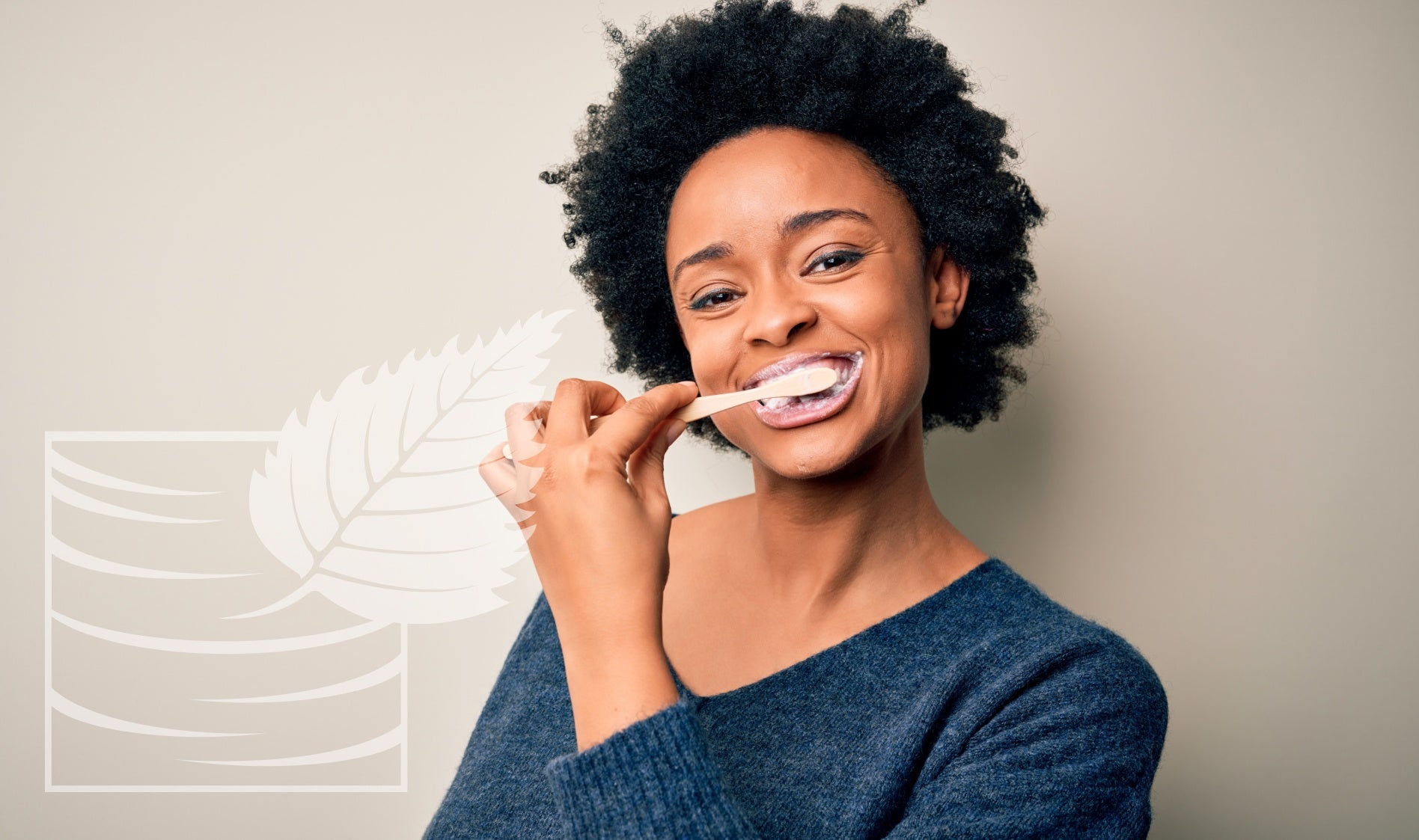
Yes, More Consumers Are Switching to Fluoride-Free Toothpaste
What’s the deal with fluoride-free toothpaste?
The modern wellness movement has completely transformed how we think about what we put in and on our bodies. From farm-to-table organic diets to clean skincare routines, consumers are scrutinizing ingredient labels like never before. Now, that same conscious lifestyle is reshaping the oral care industry. Recent data reveals that a staggering 74% of consumers are actively seeking out natural and organic personal care products, and the bathroom sink is the newest frontier for this shift.
For decades, traditional oral care relied on a standard, one-size-fits-all formula. Today, there is a rapidly growing interest in natural and holistic oral care. Consumers are realizing that the mouth isn't an isolated ecosystem. It is the gateway to overall systemic health. As a result, the demand for clean, biocompatible, and fluoride-free toothpaste is skyrocketing.
Why More Consumers Are Questioning Traditional Ingredients
If you take a close look at the back of a standard tube of toothpaste, you might notice a striking warning label: “If more than used for brushing is accidentally swallowed, get medical help or contact a Poison Control Center right away.” For a generation of wellness-conscious consumers, this warning has sparked a vital question: If a product isn't safe to swallow in small amounts, why are we putting it in our mouths twice a day?
The mouth features some of the most absorbent tissue in the entire body. Ingredients are absorbed directly into the bloodstream through the sublingual pathway, bypassing the digestive system entirely. Because of this, consumers are shifting toward a more holistic lifestyle, actively moving away from traditional synthetic formulations.
So what concerns do consumers have about fluoride overexposure? While fluoride has long been celebrated for its role in cavity prevention, growing awareness surrounding total daily exposure has caused concern. Fluoride isn't just in our toothpaste anymore. It is present in municipal drinking water, processed foods, and beverages. Consumers are increasingly wary of overexposure and dental fluorosis, which is a condition caused by consuming too much fluoride during teeth development, leading to spotting or streaking on the enamel.
Consumers are now looking for non-toxic ingredients. Beyond fluoride, traditional toothpastes are often packed with artificial dyes, chemical preservatives, and synthetic sudsing agents. Modern shoppers are demanding transparency. They want clean, plant-based, and non-toxic ingredients that work in harmony with the body rather than relying on harsh chemical interventions.
What Consumers Are Looking for Instead
The shift away from traditional oral care isn't just about what is being eliminated, but about what is being introduced. Consumers aren't willing to compromise on performance, and they want safe alternatives that effectively protect their teeth. They are looking for formulas free from SLS (sodium lauryl sulfate).
SLS is the chemical responsible for toothpaste foaming, but it is also a known irritant that is linked to canker sores and chronic dry mouth. Consumers are also looking for ingredients that are natural, and will support their oral microbiome.
Traditional toothpastes often act like a broad-spectrum antibiotic, aggressively wiping out both good and bad bacteria. The modern approach to toothpaste focuses on nurturing the oral microbiome, maintaining a balanced pH, and preserving the beneficial bacteria crucial for digestion and immunity.
The Rise of Hydroxyapatite Toothpaste
Hydroxapatite (HAp) is a naturally occurring mineral form of calcium apatite. HAp makes up nearly 97% of the tooth’s enamel, and 70% of the tooth’s dentin. When you brush with a hydroxyapatite-infused toothpaste, you are introducing the exact material your teeth are made of back to their surfaces.
Unlike fluoride, which creates a synthetic surface layer, known as fluorapatite, to shield the tooth, HAp physically binds to the enamel, filling in microscopic grooves and deficiencies. It is entirely non-toxic, biocompatible, and perfectly safe if swallowed.
Why BirchTree Supports a Holistic Approach to Oral Care
At BirchTree, we believe that oral hygiene should elevate your wellness, not complicate it. That’s why we craft clean, science-backed oral care solutions designed to respect your body’s natural biochemistry. We don't just stop at replacing fluoride with hydroxyapatite. We elevate the entire brushing experience by combining it with nature's most potent botanical remedies.
Our premium formulations complement the power of HAp by blending it with unique, functional ingredients, such as the following.
Full-Spectrum Hemp Extract
Hemp has been utilized for centuries for its incredible therapeutic properties. In oral care, it works to soothe irritated gums and support tissue recovery.
Cannabidiol (CBD) and cannabigerol (CBG)
These powerful cannabinoids possess natural, potent antioxidant and anti-inflammatory properties. They help calm underlying gum inflammation, neutralize harmful bacteria, and promote a balanced oral microbiome.
Manuka Honey
Sourced for its natural antibacterial and healing qualities, authentic Manuka honey helps ward off plaque-causing bacteria while gently moisturizing the gums and freshening breath naturally.
Frequently Asked Questions (FAQ)
Is nano-hydroxyapatite better than fluoride?
Both ingredients are effective at remineralizing teeth and preventing decay; however, nano-hydroxyapatite offers distinct advantages for a holistic lifestyle. It is entirely non-toxic, safe if swallowed, and actively helps reduce tooth sensitivity by mimicking the tooth's natural composition. Fluoride blocks pathways, while HAp fills them naturally.
What is SLS-free toothpaste?
“SLS-free” means the toothpaste is formulated without sodium lauryl sulfate. Instead of using this harsh, synthetic detergent to create artificial foam, SLS-free toothpastes use mild, plant-derived cleansers that remove plaque without drying out oral tissues or triggering canker sores.
How does hydroxyapatite remineralize teeth?
Because hydroxyapatite particles are structurally identical to natural enamel, they bond to your teeth during brushing. They deposit calcium and phosphate ions directly into depleted, demineralized areas, rebuilding the enamel framework and restoring structural integrity naturally.